


India’s Energy Strategy: Prioritizing National Interests Amid Global Criticism
India prioritizes energy security for its 1.4 billion citizens, sourcing oil from nations offering the best deals, including Russia. Despite US criticism over Russian crude imports, India rejects claims that these fund Moscow's war efforts, emphasizing decisions are based on national interest and market dynamics. Ambassador Vinay Kumar highlighted India’s role in stabilizing global oil markets and criticized US-imposed tariffs as unfair. External Affairs Minister S. Jaishankar defended India’s strategy, urging critics to refrain from hypocrisy, reinforcing India’s sovereignty and pragmatic energy policy.
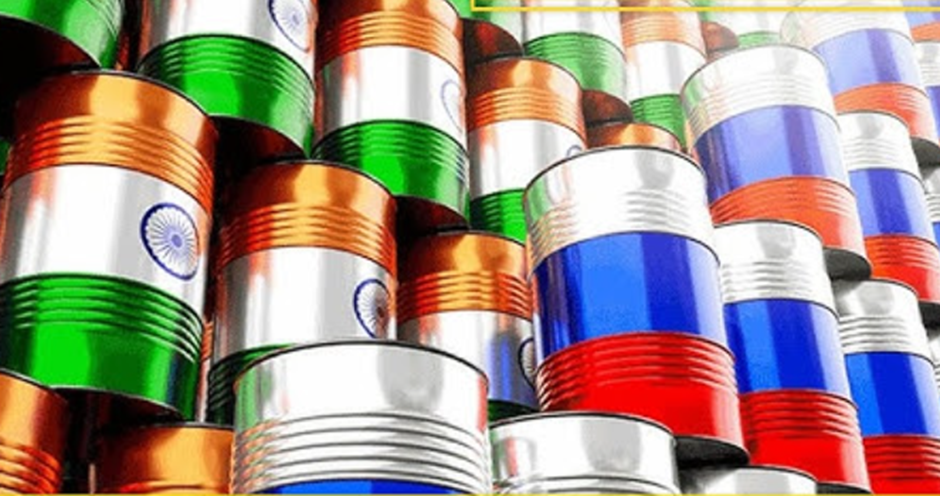
India remains steadfast in its commitment to securing energy resources for its 1.4 billion citizens, even as criticism mounts over its purchase of discounted Russian crude. Vinay Kumar, India’s ambassador to Russia, recently emphasized that Indian companies will continue sourcing oil from wherever they find the most favorable deals, underscoring the nation's focus on safeguarding its energy security.
In an interview with Russia's state-run TASS news agency, Kumar reiterated that India’s energy policies are guided by national interests and market realities. "Our priority is to ensure the energy security of the Indian population," he stated. He also highlighted that India's collaboration with Russia, as well as with other nations, has contributed to stabilizing the global oil market.
A Firm Response to US Allegations
Kumar’s remarks come at a time when the United States has criticized India's oil imports from Russia, alleging that the revenues contribute to funding Moscow's military actions in Ukraine. India has strongly rejected these claims, insisting that its energy procurement decisions are influenced solely by economic and strategic considerations.
The US has also imposed steep tariffs on Indian goods, including a 50% duty on certain products and an additional 25% levy related to India's oil trade with Russia. Calling these measures "unfair and unjustified," Kumar affirmed that the Indian government would continue to take decisive actions to protect the country’s national interests.
Energy Security Amid Global Trade Dynamics
India has consistently defended its energy strategy, arguing that its trade with Russia operates on a purely commercial basis and aligns with global market trends. Kumar noted that many countries, including the US and several European nations, continue to engage in trade with Russia. “India’s trade with Russia is governed by mutual interests and the larger goal of ensuring energy security for our population,” he explained.
External Affairs Minister S. Jaishankar recently addressed US criticism of India’s energy purchases, pointing out the irony of such objections. Referring to the pro-business stance of the American administration, he remarked, “It’s curious to see people who advocate business practices criticizing others for doing the same. If you don’t like it, don’t buy it. Nobody forces you to purchase refined products from India.”
A Balanced Approach to Global Critiques
India’s pragmatic approach to energy procurement reflects its determination to prioritize the needs of its citizens above external pressures. While accusations from the US persist, New Delhi maintains that its decisions are driven by national interest and market dynamics, not political agendas. By continuing to collaborate with diverse partners, including Russia, India aims to ensure both domestic energy stability and broader contributions to global market equilibrium.
This unwavering stance highlights India’s commitment to navigating complex geopolitical challenges while protecting the well-being of its people. As the global energy landscape evolves, India’s strategy serves as a compelling example of a nation prioritizing its sovereignty and economic resilience.



Comments